
Balancing Trouble? Make it Double!
Balancing a game is difficult. Long hours tweaking values and percentages just ever so slightly to see if you can make your game any better. To make matters worse, balancing can be subjective and based on how the game feels. This makes it almost impossible to know when you’re done. For all its troubles, balancing a game correctly is extremely important, balancing the right amount is even more important.
Underbalanced Games
Underbalanced games can feel great… at first. Having as much gold to spend as you want is amazing! Until you’ve bought everything and don’t know what to do with your time. Fighting with an “overpowered” character is great, until there’s nothing to challenge you. Underbalanced games tend to suffer from the fact that there isn’t a challenge, and because of that there’s nothing to work towards.
In multiplayer games, balancing correctly is even more important. If a strategy is over powered, it becomes dominant and the game becomes boring. Either everyone starts playing the same way or players get frustrated because no other play strategy is viable.
If underbalanced games were described with a color it would be a bright eye-catching neon pink. Fun but neon hurts your eyes when you look at it too much. And, much like staring into the sun, it can really affect the way you see things. It drowns out details and everything else looks muted by comparison.
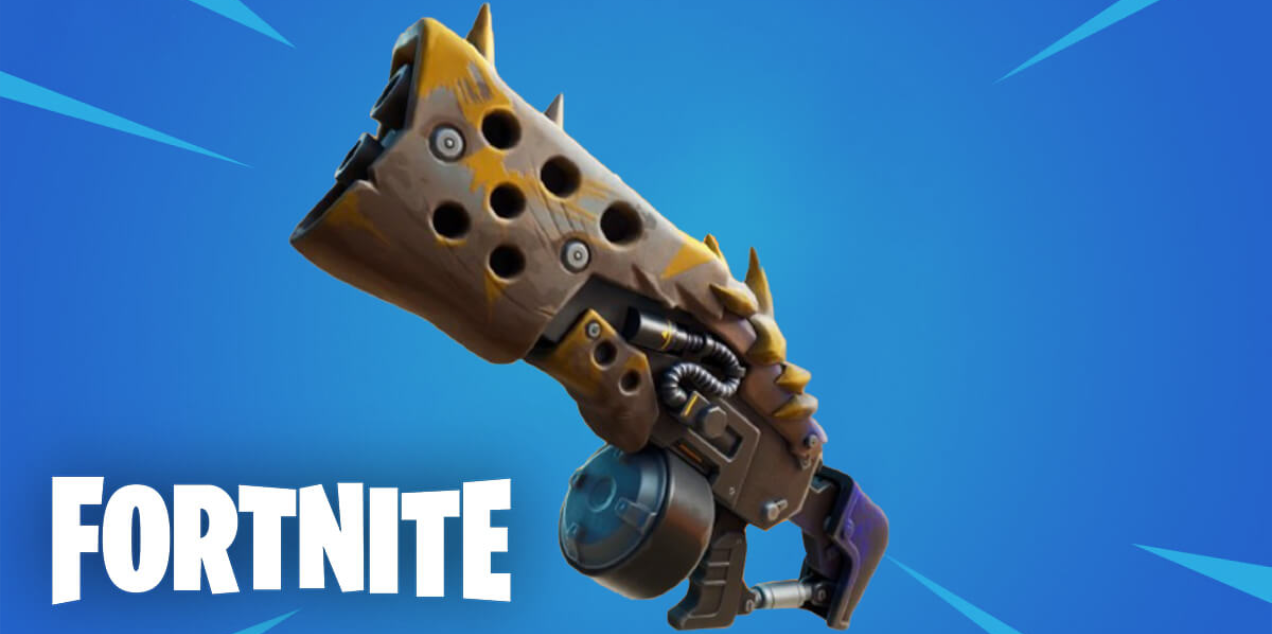
Developers often have to fix underbalanced games after launch when they have more play data to work with. If you ever wondered why Overwatch nerfed Widowmaker and Mercy so much, this is why. Fortnight had to make a huge adjustment to the Primal Shotgun weapon, changing it from almost game-breaking to significantly weaker after a quick patch.
Underbalanced Games
The opposite problem is overbalancing. You play it, but everything you do feels bland. No matter what car you drive or character you fight as, it doesn’t seem to affect the outcome or feel any different. The game is fair, but fair to the point of its own detriment.
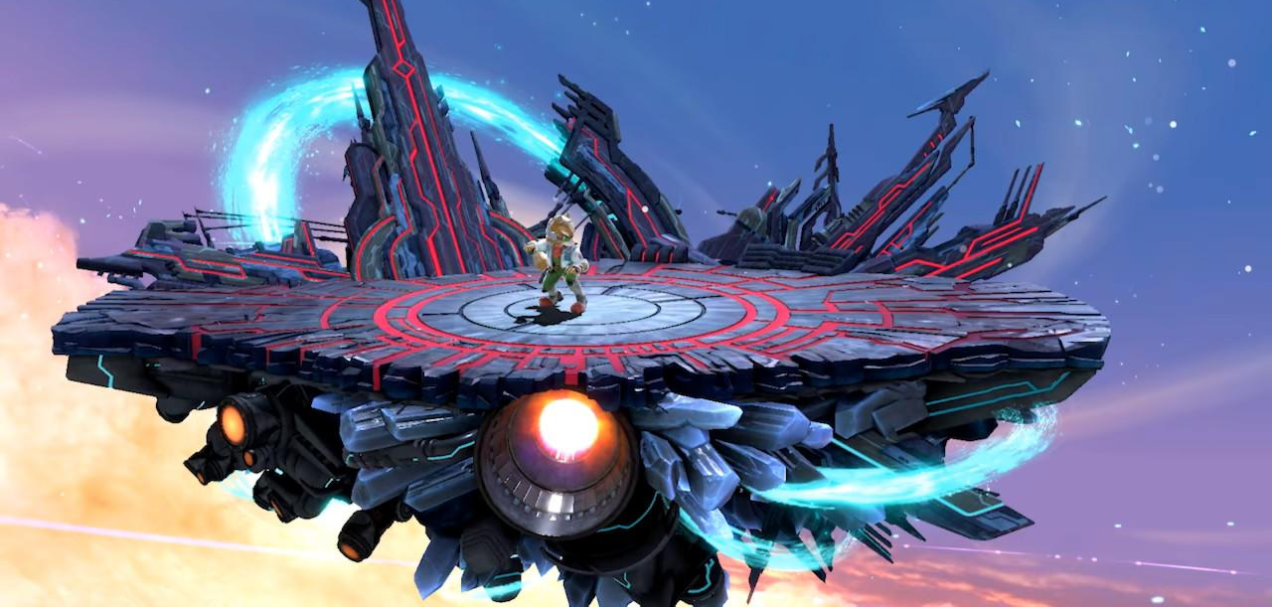
In multiplayer games, an overbalanced game can seem like the best option, allowing the players to win only using their skills with no outside factors, but it removes any variation, or room for style and personality. The game starts to feel boring for most players.
No Items, Fox only, Final Destination
If overbalanced games were described with a color it would be beige. Something inoffensive, safe, but a bit boring on its own. Without an accent color paired with it, there’s nothing to make you notice it’s even there.
At the end of that day, games really shine if your input matters. If your actions in the game have no impact you’ll quickly find something else that respects your time. Games like tic-tac-toe are a good example of an overbalanced game because it’s solved. Each player makes one move, no variation, and the game space is small enough that once you play a couple of rounds every game will end in a tie. Not exactly riveting.
Somewhere in between is the happy medium. Not something that’s completely balanced. Something that is mostly balanced. Something that rewards players for strategic planning and skill, but also a system that allows for an upset or even a random outcome every so often. So… what do you do?
Underbalanced Games
The next time you’re trying to tune something with a numeric value such as, damage, jump height, speed, etc. try doubling it. If you think that’s too much, you’re probably right, but try to do it anyway and see how the system reacts to the change.
This doubling trick was famously used by Sid Meier, but the concept has been around for a long time. The math behind this trick lets you compare a lot of values in a short amount of time. The same principle is used in binary search trees, which are used to store and receive data as quickly as possible.
Doubling also saves human comparison time. As we mentioned in other posts, humans are pretty bad at comparing values unless they’re roughly double the previous value. So, doubling a value ensures the change is noticeable while playtesting. Once you can notice a change, you have two clear options on how to proceed.
Option 1: The Change Was Too Much
This is what most people worry about, but there’s some good news here, you can use this to your advantage. Think about it like this, the original value didn’t work, and your changed value was too much, so now you know that the value you want MUST be in-between those two values! Try choosing a value between your original value and the current one and see if that gets closer to what you want. Keep doubling and halving after playing through the game until it feels the way you want it to.
For example, say you had a car with a speed of 10, but it feels slow. You double it to 20 and now it seems too fast. The next value to try would be 15, since it’s in-between the value that was too small (10) and the value that was too much (20).
Option 2: The Change Wasn’t Enough
This one should be obvious, but if that wasn’t enough, double it again! Then, if it becomes too much, try a value between your first value and the current value.
You’re trying to make big noticeable changes and then refine through playtesting and feedback. If you aren’t sure if the change you made was too big, it wasn’t! Double it again until you know for sure you’ve gone too far.
Using this method of balancing won’t make balancing “easy”, you’ll still need to spend a substantial amount of time on it, and playtesting is always essential. What this method will do is ensure none of your time spent balancing is wasted. If your balancing changes are too small for humans to notice, you’re wasting your time. You’ll spend hours fiddling with tiny percentage points. Go for big swings! You can always meet in the middle later.
Consider becoming a patron for exclusive content and perks.
Or sign up for our substack